
BEAUTIFULLY CLEAR STRATEGY – MADE BY YOU
Sharper focus
More choices
Bolder breakthroughs
An existential question about your organisation’s survival
01
A business model that no longer sustains your business
02
A top line, bottom line or draw-the-line challenge
03
A profitable revenue growth dilemma
04
A money-that-no-longer-fits-your-mission mismatch
05
A commissioner who demands more than they pay for
06
A strategy whose shelf-life is shrinking
07
An operating model you need to replace, reshape or get off the ground
08
An over-reach-your-people-to-reach-more-people dilemma
09
Pre-merger, post-merger and going-through-the-merger blues
10
A regulatory performance deficit
11
A misaligned board that’s misaligned with a misaligned executive
12
A tricky decision that’s tricky to make but needs to be made
13
A partnership that bites – but not in a good way
14
A how-do-I-explain-my-impact-to-a-funder tension
15
ACTION THROUGH CONNECTION
We go to the places where problems are already being felt, for example, at key points of tension and transition between communities and institutions, youthhood and adulthood, and clinical and non-clinical care.
We gather people, resources and movement around things that need to change.
Together, we make sense of what’s happening, decide what needs to happen next, act on it, learn from it, and build momentum for change.
OUR FOUNDER DIRECTOR
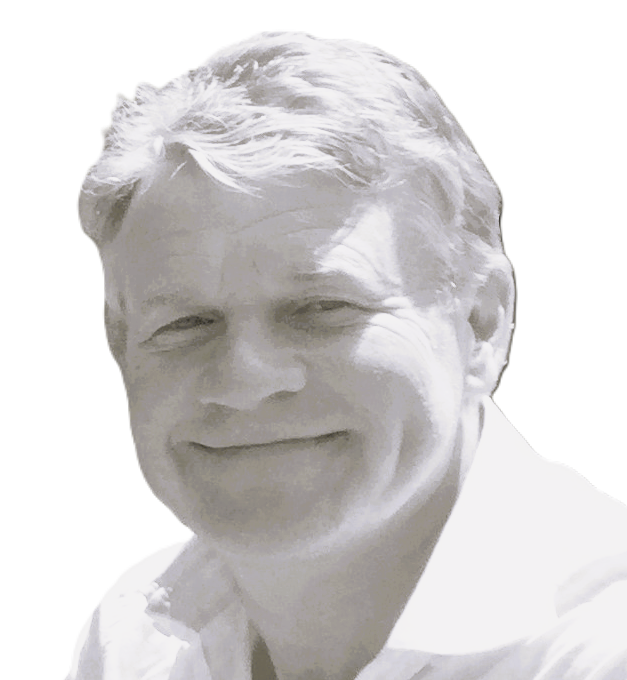
Graham has worked in and alongside organisations and communities experiencing sustained delivery pressure for more than thirty years.
Throughout this time, and across multiple contexts, he has repeatedly developed structured ways of helping organisations move from ambiguity to aligned action. Graham’s work consistently follows a repeatable pattern of helping organisations and communities frame the right questions, convene the right people, generate credible options and make better collective decisions.
He’s spent much of his career working with people facing challenges that are both messy and sticky and that sit between organisations, sectors and services – where responsibility is fragmented, continuity is difficult to sustain, and outcomes depend on relationships, trust and collective effort.
A former chief executive and strategy director, Graham has led organisational transformation and turnaround, operating model redesign, growth and commercial development, commissioning, governance and nationally significant programmes across government, the NHS and the charitable sector. His cross-boundary experience shapes how he works – leading whilst learning from many different perspectives and dealing with the practical realities of turning strategy into implementation.
WORKING TOGETHER
We’d love to hear from you.
| Cookie | Duration | Description |
|---|---|---|
| cookielawinfo-checkbox-analytics | 11 months | This cookie is set by GDPR Cookie Consent plugin. The cookie is used to store the user consent for the cookies in the category "Analytics". |
| cookielawinfo-checkbox-functional | 11 months | The cookie is set by GDPR cookie consent to record the user consent for the cookies in the category "Functional". |
| cookielawinfo-checkbox-necessary | 11 months | This cookie is set by GDPR Cookie Consent plugin. The cookies is used to store the user consent for the cookies in the category "Necessary". |
| cookielawinfo-checkbox-others | 11 months | This cookie is set by GDPR Cookie Consent plugin. The cookie is used to store the user consent for the cookies in the category "Other. |
| cookielawinfo-checkbox-performance | 11 months | This cookie is set by GDPR Cookie Consent plugin. The cookie is used to store the user consent for the cookies in the category "Performance". |
| viewed_cookie_policy | 11 months | The cookie is set by the GDPR Cookie Consent plugin and is used to store whether or not user has consented to the use of cookies. It does not store any personal data. |